The Unraveling Support for Democrats: A Party at a Crossroads
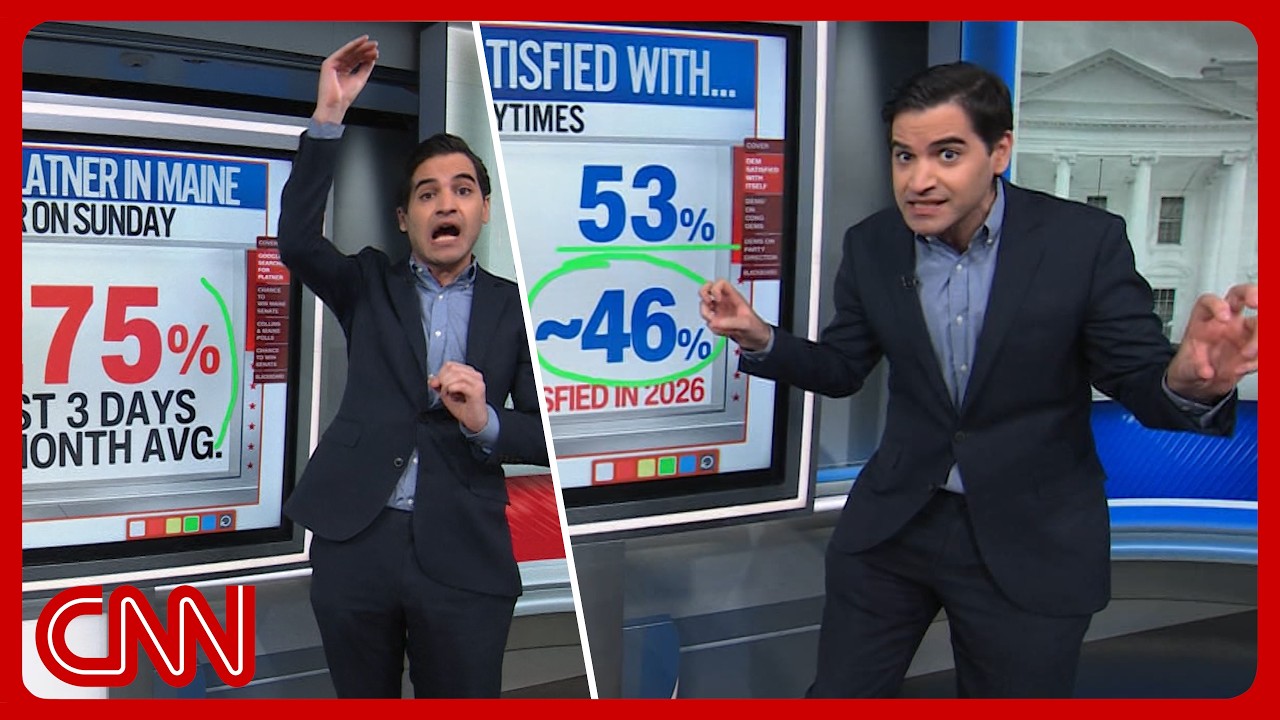
The Democratic Party finds itself at a pivotal moment, grappling with a profound dissatisfaction among its base. Recent data reveals a stark reality: only 46% of Democrats are satisfied with the direction of their party, while a majority, 52%, expresses discontent. This internal discontent is notable, especially as the party navigates the political landscape ahead of the upcoming elections.
To understand the current state of Democratic sentiments, we must look back at the party’s previous performance, particularly during the 2024 presidential debate, which many characterized as poorly executed. Despite that lackluster display, 53% of Democrats felt satisfied with President Joe Biden as their nominee at the time. Fast forward to today, and the percentage of satisfied voters has decreased, indicating a growing frustration among the Democratic ranks.
Shifting Perspectives on Congressional Democrats
The dissatisfaction doesn’t end at the party level; it extends to congressional Democrats as well. In October 2025, during a significant moment—marked by the first government shutdown—Democrats enjoyed a net approval rating of plus 22. Today, however, that approval rating has plummeted by over 30 points, sinking into negative territory for the first time. Never before have Democrats seen such low approval ratings for their congressional members. This historical shift raises crucial questions about the direction the party should take.
Interestingly, the Democratic base is fractured over which ideological path to pursue. Surveys reveal a significant lack of consensus. For instance, 28% of Democratic voters want the party to move left, while 18% prefer a centrist approach. A staggering 47% of party members are unsure, indicating a perplexing divide that could complicate upcoming primaries. Notably, a broader analysis shows that 61% of all voters across party lines prefer a centrist route, suggesting that moving further left may not align with the preferences of the electorate at large.
The Landscape of Upcoming Elections
As the Democrats prepare for various elections, including the high-stakes California gubernatorial race, changes in voter sentiment will be critical. The state’s primary system allows all candidates, irrespective of party affiliation, to run in a single election. Currently, two candidates, Javier Becerra and Republican Steve Hilton, appear to dominate the prediction market for advancing to the November general election. Becerra’s chances have skyrocketed from 52% to 92% in recent days, while Hilton maintains steady support.
Despite the chaotic dynamics of the race, it’s vital to mention Tom Steyer, the billionaire politician whose support has sharply declined. His chances of advancing have shrunk from 65% to 35%. However, even at 35%, his prospects remain noteworthy. This unpredictability underscores the unique nature of California politics, where Democratic candidates may even outnumber Republicans in viable positions for advancement.
The Broader Implications for Democratic Prospects
The complexities don’t stop at individual races. Political analysts also point to the trajectory of partisan politics in California itself. In 2024, Kamala Harris won by a significant margin, but Democrats now seem to be polling better in set-up races compared to her performance. This suggests a potential tightening of Democratic margins, which could hamper their broader electoral aspirations.
Interestingly, the public’s sentiment towards Donald Trump remains another crucial factor shaping the electoral landscape. His presidency continues to be a polarizing figure, which in turn offers an opportunity for Democrats who can rally voters around their opposition to him. However, Trump’s declining approval ratings, particularly on economic issues, serve as a warning for any candidates who might rely too heavily on anti-Trump sentiments without addressing broader concerns like inflation.
Conclusion
The Democratic Party stands at a crossroads, where internal divisions could impact its overall effectiveness in the upcoming election cycle. As dissatisfaction mounts within its own ranks, the party must navigate a complex landscape of voter preferences and partisan dynamics. With significant primaries on the horizon, the choices made in the coming months will resonate far beyond individual races, potentially shaping the future of the Democratic Party. The key question remains: can the party unite its factions and present a coherent vision that resonates with both its base and the broader electorate? Only time will tell.